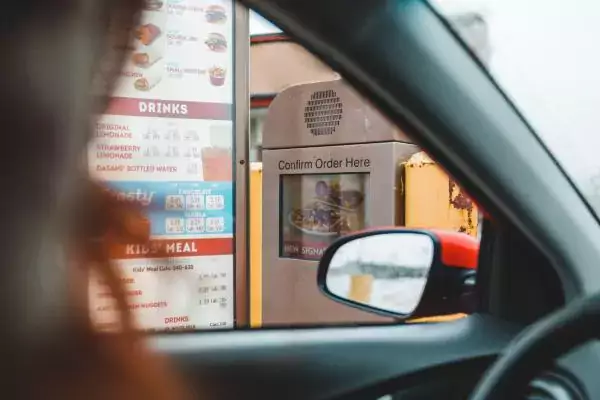
What do you do when you haven’t been at a company very long and your CEO wants to go to a favorite restaurant that was recently flagged for unsanitary practices? Well, because the practices were well publicized, you go and hope they acted on the message. This was the awkward situation a friend of mine on the East Coast found herself in this past week. A restaurant in an upscale New Jersey town was one of the cited offenders, according to inspection reports that were collected and published on NJ.com. So there she was, trying to enjoy dinner, knowing that an inspector had recently discovered there was no hand soap in the kitchen restroom. Yikes!
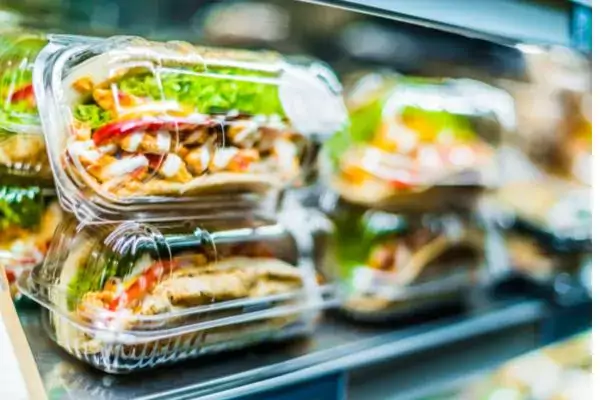
But it got worse when she realized her favorite sandwich shop not only lacked hand soap at the sink, but also had no visible thermometer in the reach-in refrigerator. Her favorite sushi destination had an unclean food prep service area and floor. At that point, she was ready to stop reading… but how can you?
Ignorance may be bliss if you’re the customer, but it’s not a happy-go-lucky time for the restaurant owner. It’s embarrassing to be called out for things that are easily recognizable and fixable. Health inspections aren’t a trivia game show with mystery questions—operators know in advance what officials look for prior to inspection. It’s time for smarter operations!
Here are 5 standards you should uphold in order to maintain a clean restaurant:
- Develop clear and regular cleaning procedures. Cleanliness is not only a safety issue—in some cases, it could impact the quality and safety of food. Check out this story of an employee in Eugene, OR, who starts off her day by cleaning the oven of a pizzeria.
- Make sure store-level employees understand and are constantly reminded of the importance of cleanliness. The general manager from the pizzeria in Eugene has a corkboard that keeps up-to-date with food handler cards, so she can check to make sure her employees’ cards aren’t expired. If they are, she hands them off to her kitchen manager to address the issue. The employees must be re-certified before returning to work.
- Start documenting progress. Documentation isn’t just a nice-to-have; it creates a vital paper trail that can be vital in documenting important information. And if you have the right tools, you can go paperless and have all information, including past audits and inspections, stored securely on the cloud.
- Track the progress of locations to see which stores are clean, which stores aren’t, and why. Communication is key. The point isn’t to dishearten or shame restaurants into submission. It’s to keep customers satisfied. By educating foodservice employees and encouraging managers to develop effective procedures, restaurant operators can keep their customers consistently coming back for more.
- Have the ability to follow up on and fix issues at individual locations. What was the point of conducting an audit in the first place? Health inspectors in my friend’s NJ town and elsewhere will return to make sure restaurants are making progress. When it comes to health regulations, restaurant managers need to follow up once a directive is given. It’s not enough to assume these problems have been resolved. Again, documentation and communication is critical.
The Takeaway
Creating, distributing, and collecting a baseline audit for cleanliness can be a time-consuming process without the right tools. With Zenput, restaurant operators can create a mobile form, edit, and send it out to the appropriate employees as needed. That form is automatically distributed to employees’ mobile devices, and when they answer each question, the results are aggregated in an easy-to-read dashboard. Moreover, a senior manager can set up real-time notifications of any unsanitary condition discovered during the audit. To ensure accountability, the auditor can upload a photo of a problem and the senior manager can follow up with that store to make sure the issues were resolved.
For more examples on how Zenput helps restaurants uphold standards and clean kitchens, visit Zenput's website or request a demo.Subscribe to our blog
You are now subscribed!